
Sara Porkalob had received praise for playing a white Founding Father, Edward Rutledge, in the Broadway revival of 1776. But she had never had the opportunity to represent someone with her Filipino background until she wrote a role for herself. Her solo performance — Dragon Lady — tells the colorful story of Porkalob’s grandmother, Maria Porkalob Sr. A karaoke-loving daughter of a gangster, Maria I moved from the Philippines to the Pacific Northwest as a pregnant newly wed wife of an American soldier. (Senior made a cameo in the show until her death in 2022 and now appears in projection.) The show premiered in 2017 and has been touring the country, now joined by Dragon Mama, another Porkalob creation told from Sara’s mother’s perspective.
The Pittsburg Public Theater recently shared Dragon Lady with a broader audience through the League of Live Stream Theater, a non-profit that works primarily with regional theaters to broadcast their productions in real time. Built tenderly from a 9 minute senior year workshop assignment, the production runs 2:15 and spans over 40 years. Designed in a framework of a cabaret act with a three piece band, Hot Damn Scandal (Pete Irving, Jimmy Austin, and Mickey Stylin), the performance is engaging and freeing. On the night before her 60th birthday, Maria Sr. pulls her granddaughter aside in order to share some family secrets. Sara’s mother, Maria Jr., is obviously not the matriarch’s biggest fan. By revealing some less-than-flattering elements of her history, the elder Porkalob hopes to at least elicit understanding of if not forgiveness for her past actions from the newest generation.
Sasha Jin Schwartz’s set, bathed in blue with its raised rounded platforms and crisscross patterns, conveys the essence of a casino or nightclub. Under the guiding hand of director Andrew Russell and leveraging the intimacy of this ¾ round space, Porkalob changes skins in a flash, portraying those closest to Maria Sr. including her father, lovers, and five children. Each relationship shines a little more light into the painful darker corners (physical lighting by Spense Matubang). There is a particularly lovely and insightful exchange between Maria Sr’s two sons, Ron and Charlie, when they were younger. Sara’s singing voice is remarkably strong and soaring as she delivers a range of musical numbers from torchlight to jukebox. Mixed with atmospheric sound by Erin Bednarz, the selections help shift the mood and lighten the load.
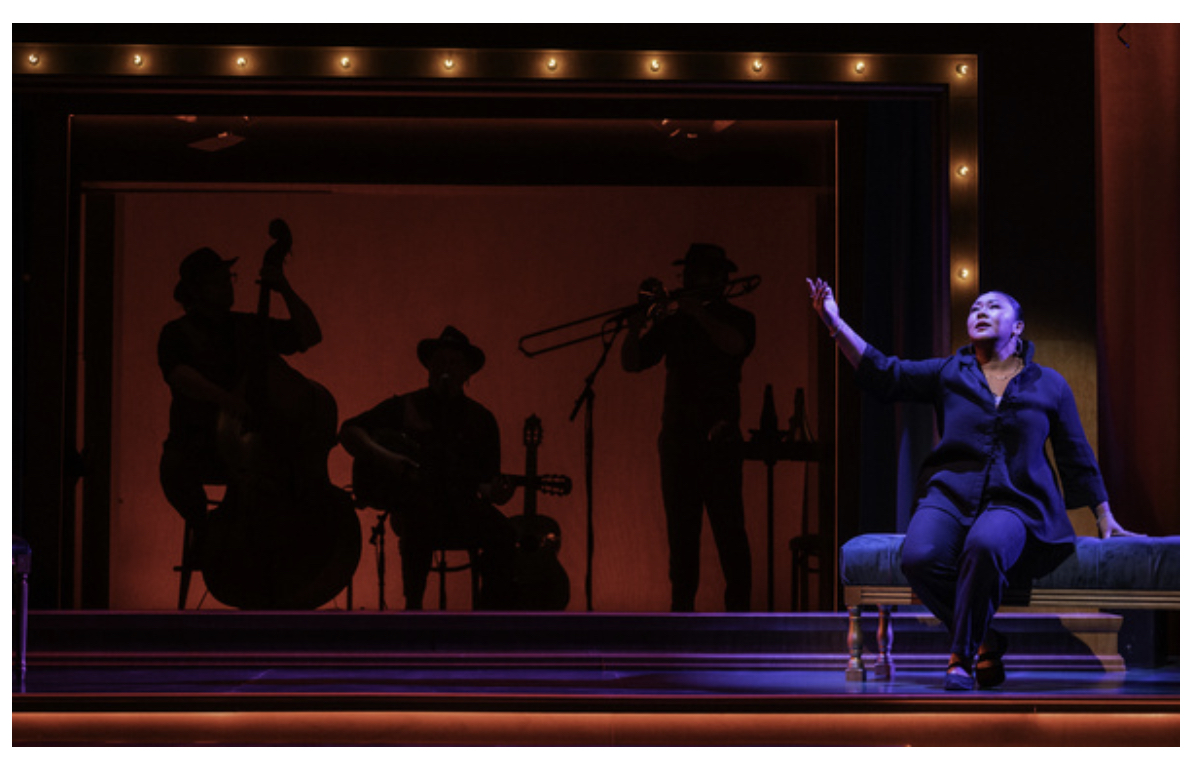
Having broken away from the comfort of scene partners and backdrops, Porkalob has had to tap deeply into her own power as an artist. By appreciating the value of a personal story and sharing a genuine human experience, Porkalob has given us a work that resonates far beyond her own family. The language and themes are decidedly R-rated and intended for audiences over 18. A third play, Dragon Baby, told from Sara’s vantage point, as well as a TV adaptation of the entire cycle are currently in development.
For more information about Sara Porkalob and The Dragon Cycle, visit http://www.saraporkalob.com/. To explore the rest of the Pittsburg Public Theater Season, visit https://ppt.org/. To learn more about upcoming real-time simulcasts by the League of Live Stream, visit https://www.lolst.org/.


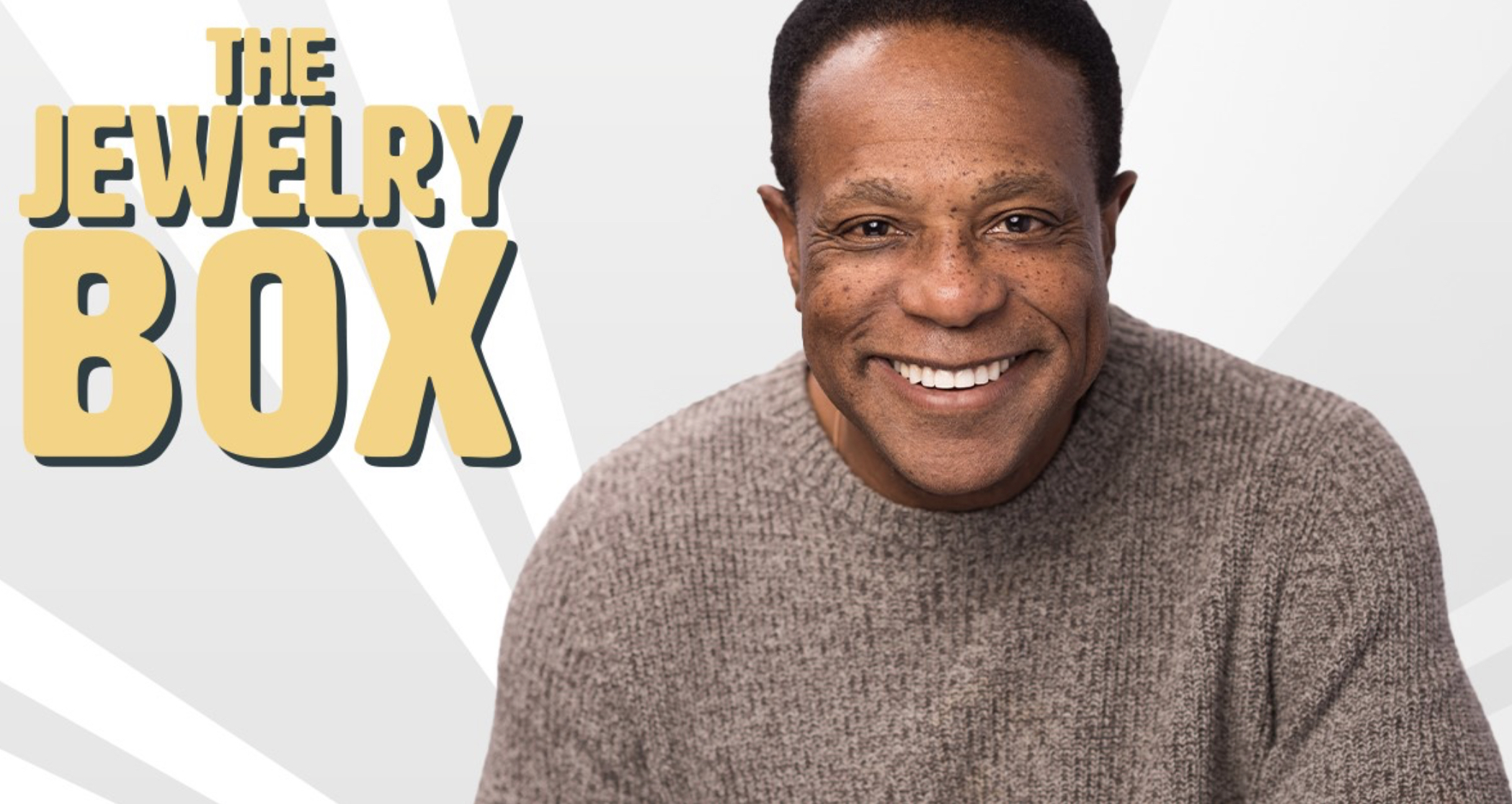

 There is no denying that Richard Hoehler is a talented man. A winner of the The Off-Off-Broadway Review (OOBR Award) for Best Solo Performer, he knows how to own a room. In his latest monologue, I of the Storm, he tells tales, recites poetry, sings heartily and even dances a lick or two. You’re sure to take notice throughout even if it doesn’t quite all hold together in the end.
 The Unforgettable Line
Dogs of Rwanda
Dogs of Rwanda is like that really sweet guy you wanna like, but you just can’t get beyond his shortcomings. There are several unfortunate distractions that prevent it from being as powerful as it should be. Given that the Rwandan genocide took place in 1994 and the audience spans a large age range, a short background beyond the artistic director’s statement would have helped. By necessity, the tale we hear is a deeply personal one and moments are certainly shocking, but they are not given sufficient context or a sharp enough lens through which to see. There are also some artistic choices that have hindered the impact of the piece.
The script by Sean Christopher Lewis is delivered as a monologue told solely from the point of view of David Zosia, who at 16 volunteered for a church run spring break program in order to spend time with his crush, Mary. At their Ugandan camp, they are assigned laundry duty working just downstream from Rwanda. When the fight between the Tutsis and the Hutus breaks out, bodies begin floating by the horrified youth. The pair is drawn deeper into the conflict when they attempt to help a local boy named Gods Blessing. Over the course of 90 minutes, David vividly describes what happened at the time and also 20 years later when he receives a note from Gods Blessing that takes him back to Africa. The audience is present to bear witness to his account: an integral role in any deeply meaningful ritual.
David is portrayed by Dan Hodge, an actor and director with an impressive resume. Unlike most solo performances this isn’t Hodge’s story and that is the first stumbling block to its success. Hodge never fully inhabits the role: he is acting not being. The only other person on stage is musician Abou Lion Diarra who accompanies David’s tale with original music performed on a variety of percussion instruments. This creative embellishment was added by the Urban Stages team, but the execution doesn’t quite work. Hodge is inconsistent about including Diarra in the action, sometimes exchanges glances and sometimes ignoring him. Furthermore, the talented Diarra is often so swept away by the joy he finds in playing that it is easy to catch him smiling incongruently to the horrors being described.
Actor Dan Hodge with instrumentalist Abou Lion Diarra. Photo by Ben Hider.
There is also the critical issue that David is essentially a selfish SOB. Everyone else we hear about — Mary, Gods Blessing, and his current girlfriend — have been treated with contempt by our narrator and guide. He is not without redeeming qualities, having literally bled to share at least some of his story with the public in a book called Letters From The Red Hill. While David is certainly contrite by the end, that is where we leave him, never witnessing any actual change in his behavior. This makes his confession a rather hallow one. How can we forgive David as we are meant to if we never see him embody the lessons he claims to have learned and put them into action?
Urban Stages Founder, Frances Hill, and Director of Musical theatre, Peter Napolitano are responsible for the meandering direction. The creative team is the same as the one that brought Zhu Yi’s A Deal to life. Their vision is much murkier this time around. The set by Frank J. Oliva is made to look like a village clearing with a faux earthen floor and thatch peering through a side opening. It lends an interesting flavor to the atmosphere, though the setting is only appropriate some of the time. John Salutz’s lighting casts long shadows which may be intended to add mood but come across as an amateurish mistake. The brilliant Ryan Belock has once again designed the projections, but the screen is at an angle over Hodge’s head. This is effective for planes, trees, and clouds, and a head scratcher for ocean waves.
While not completely successful as a drama, Dogs of Rwanda can serve as a reminder of the dehumanizing effects of war, the atrocities committed based on tribalism, and the many treasured places around the globe devalued by Americans. It is a worthy end to a season in which Urban Stages has been shining a light on works with an international point of view. It runs through Saturday, March 31, 2018. Tickets for are $35 ($25 during previews; $50 on opening and $15 student rush) and may be purchased via OvationTix at www.urbanstages.org or by phone at 1.866.811.4111.