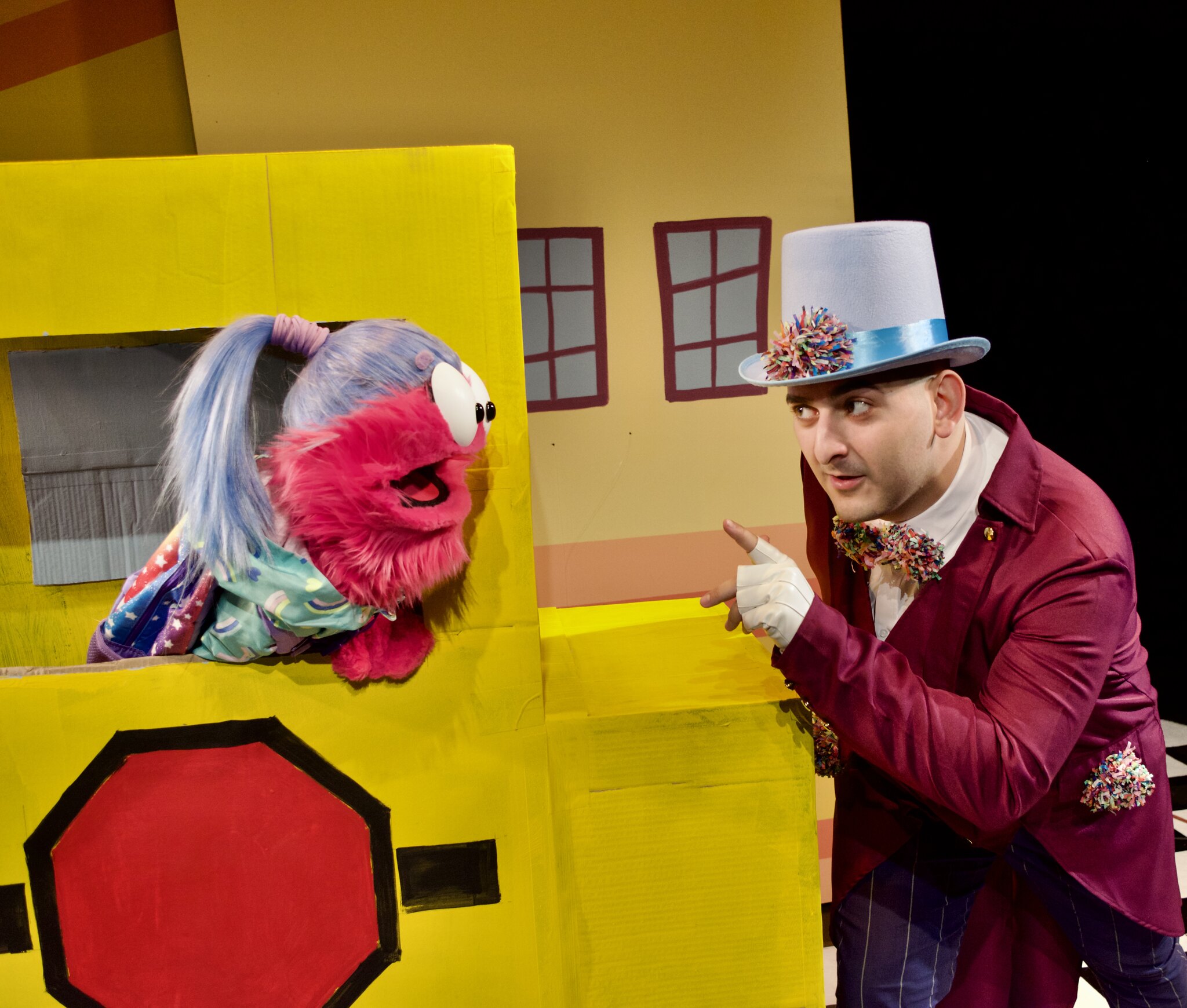
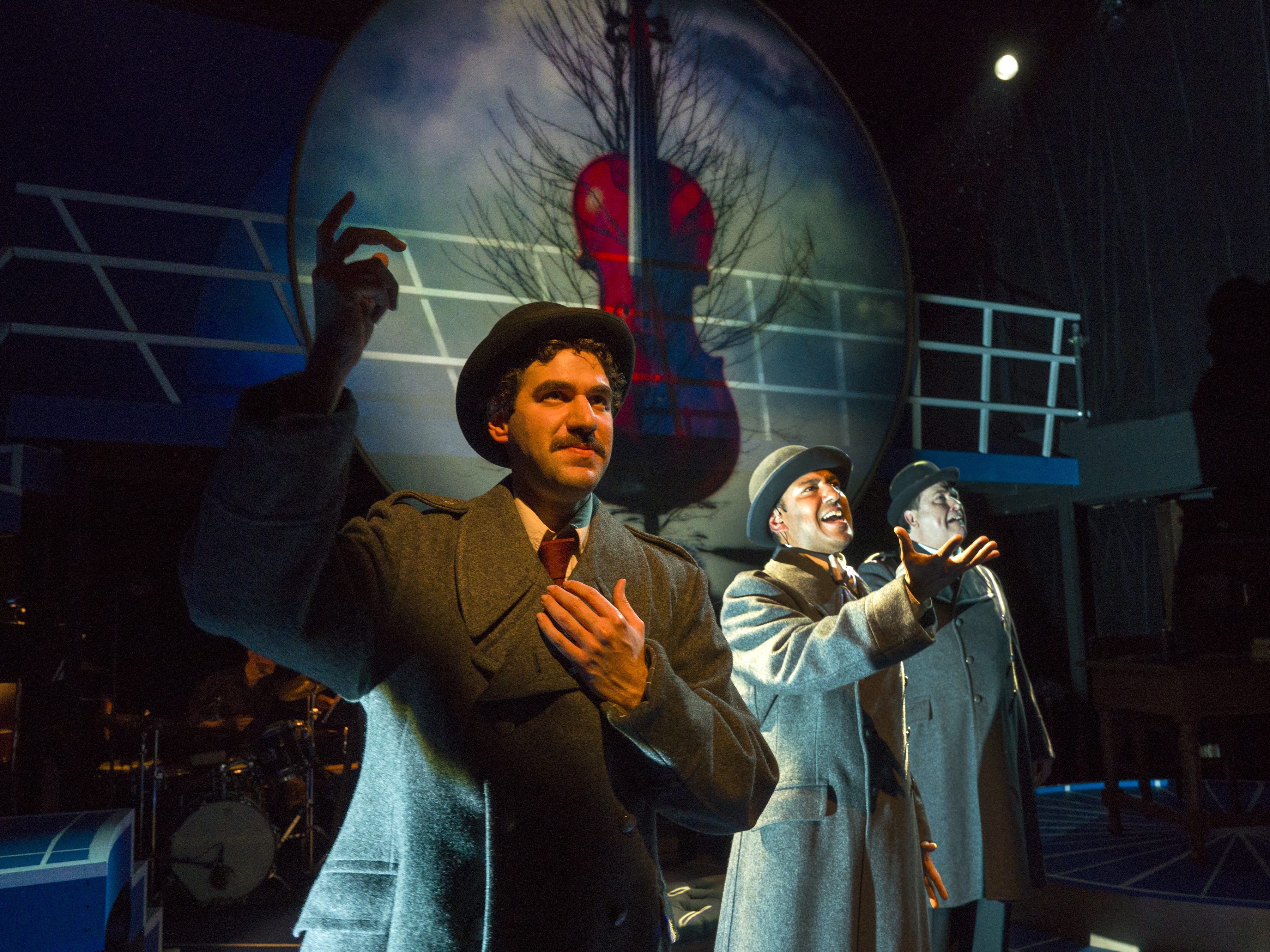
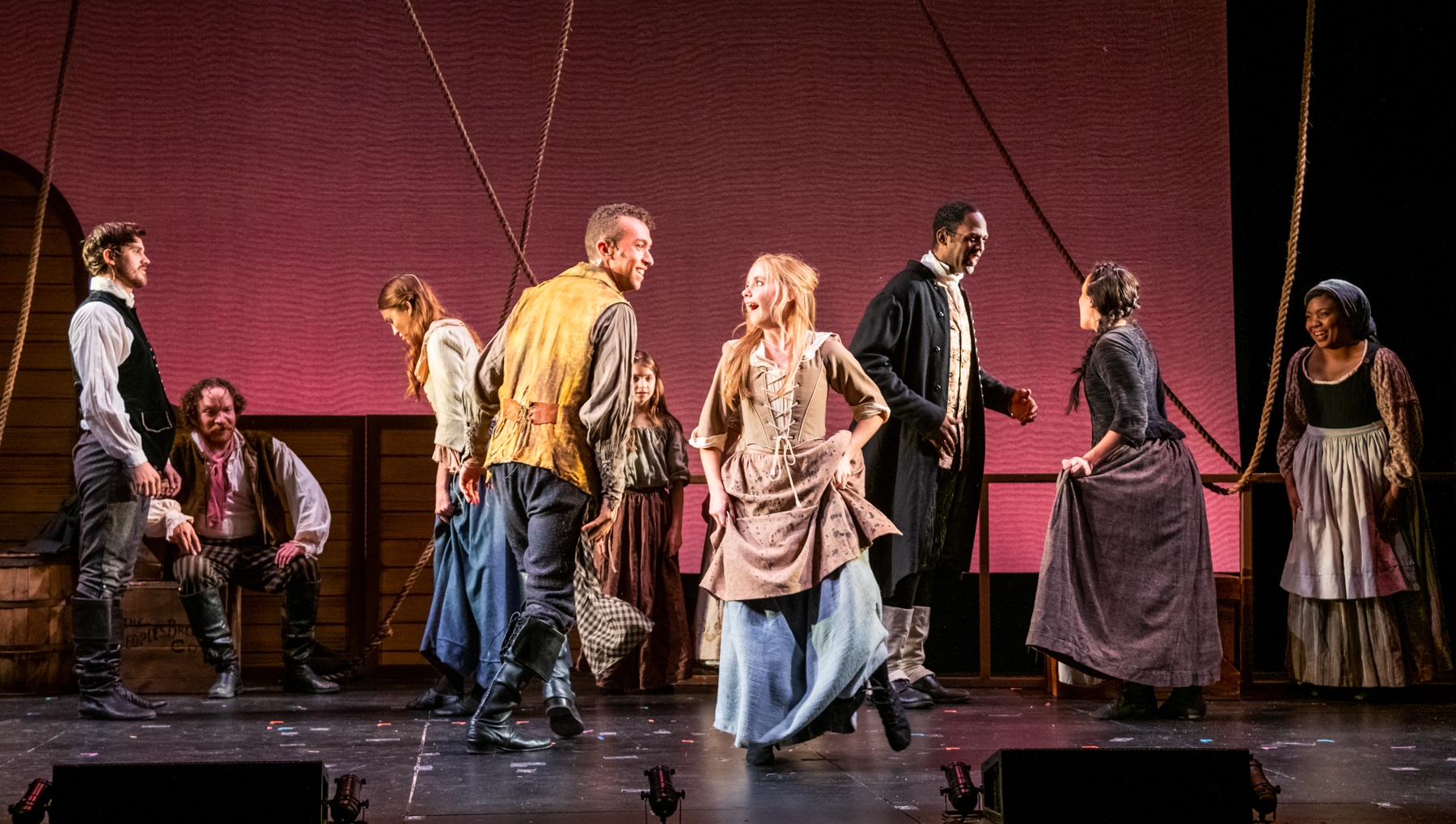
Launched in 2015 by veteran producers Stewart F. Lane and Bonnie Comley, the intention of online platform BroadwayHD is to replicate the Broadway experience for those who do not have access to the Great White Way. Added to initial listings like She Loves Me are now hundreds of shows including family favorites like Kinky Boots and classics from the Royal Shakespeare Company. The service provides a comfortable entry for those who don’t want to gamble $125 per person to introduce family members to the theater as an entertainment option.
Their latest addition is Mr. Saturday Night, a musical comedy starring the always amiable Billy Crystal who also serves as Executive Producer. Filmed live at the Nederlander Theater on August 31, 2022, the production is based on Crystal’s self-directed 1992 movie of the same name. It follows the career of Buddy Young Jr., a fictional Borscht Belt comedian who rose to stardom hosting a Saturday evening television variety show. His reputation in tatters after an on-air incident, he is now performing before disengaged nursing home residents. But his mistaken inclusion in the “In Memoriam” portion of the Emmy’s brings him much needed attention from a surprising source.
Whether this offering leaves you kvelling or plotzing will depend in large part on the level of admiration you hold for classic comics such as Phil Silvers, Totie Fields and Buddy Hackett. (Thanks to YouTube, this admiration needn’t be restricted to those of a certain age.) The revised script by Billy Crystal, Lowell Ganz, and Babaloo Mandel doesn’t solve the problem of the original film and Buddy remains a character that is hard to like much less root for. However, Mr. Crystal’s live performance allows the audience to bathe in his suburb timing and delivery. In his hands, even the broadest of jokes makes it easy to admire the craft even if it’s not your preferred style of humor. It should be noted that some of the material is quite blue and may not be suitable for younger family members.
Crystal has surrounded himself with a terrific, energetic cast. Shoshana Bean lends her soaring expressive voice to the role of Buddy’s struggling daughter, Susan, while Randy Graff brings deep dimension to Buddy’s loyal-to-a-fault wife Elaine. The reliable David Paymer reprises his Oscar nominated performance in the more stereotypical role of jealous brother, Stan. Jordan Gelber, Brian Gonzales, and Mylinda Hull do a lot of heavy lifting playing several roles apiece and giving variation to each. While the charming Chasten Harmon overflows with warmth as Annie Wells, a young and exuberant agent trying to help Buddy rise again. In a wonderful twist on the original casting, the adults play their teenage selves.

As is true with most streaming productions, the show has two directors. Tony winner John Rando handled the stage production and Matthew Diamond translated it for the home screen. Sometimes presenting camera angles that would not be seen by a live audience, Diamond— who previously directed The Wiz Live for NBC — employs a style more similar to a television show than a recreation of a theatrical experience. But this is a musical that relies more on exchanges among two or three characters and less on big production numbers. Clever projections by Jeff Sugg that enhance a set designed by Scott Pask are well incorporated by the camera work. And Diamond’s more intimate framing allows home viewers to observes details such as the framed photo of Crystal and his Comic Relief cohorts on the walls of the Friar’s Club set as well as enjoy the moving facial expressions of the entire ensemble. There are also moments when the live audience is included in a shot and their enthusiastic responses are contagious. Putting the end credits over individual actor’s faces is a nice touch. Uptempo music by Jason Robert Brown with lyrics by Amanda Green supply enjoyable interludes in the storytelling. The players’ annunciation is excellent, but there are easy-to-read captions available.
Though modestly produced by Broadway standards, Mr. Saturday Night is lifted by Billy Crystal’s generally appealing performance. And the central theme of second chances is given unusual spin. Runtime is two and a half hours, though Act II is clearly marked if you need a stretch break. Exclusive to BroadwayHD subscribers, this production was made possible by a special arrangement with Warner Bros. Theatre Ventures. Visit https://www.broadwayhd.com to sign up for a special holiday offer of $99.99 for one year (available through December 8) or dip your toe in their stream for $11.99 a month. The fees make it possible to offer the entire catalogue ad and interruption free.